
![[Image Credit: womensprize.com]](/_next/image?url=https%3A%2F%2Fbackend.thebrowser.org%2F%2Fmedia%2Foriginal_images%2FLonglist_Judges_WP_Non-Fiction_2026_Fiction_BRANDED-1-1536x1024.jpg&w=3840&q=75) [Image Credit: womensprize.com]
[Image Credit: womensprize.com]The longlist for the 2026 edition of the Women's Prize for Non-Fiction has been officially unveiled, spotlighting 16 exceptional works that explore history, memoir, politics, science and culture. Celebrating outstanding narrative non-fiction by women, the prize continues to champion bold storytelling, rigorous research and urgent contemporary voices, offering readers a diverse and thought-provoking selection of books that reflect the complexities of our world today.
The 2026 judging panel is chaired by Thangam Debbonaire — CEO of the UK Opera Association, cultural strategist and former MP — and brings together a distinguished group of voices from across disciplines. She is joined by engineer, author and broadcaster Roma Agrawal; wellbeing entrepreneur Nicola Elliott; novelist and memoirist Nina Stibbe; and Crown Court judge and thriller writer Nicola Williams. Together, the panel will select a shortlist of six to be announced on 25 March 2026, before revealing the overall winner on 11 June 2026 at the Women’s Prize Trust’s summer party in Bedford Square Gardens, London. Sponsored by Findmypast, the winner will receive £30,000 and a limited-edition artwork titled ‘Charlotte’, sculpted by Ann Christopher and gifted by the Charlotte Aitken Trust.
The prize was established to address the persistent gender imbalance in non-fiction publishing, where books by women have historically received less recognition, fewer reviews and lower visibility in major literary awards. Building on the legacy of the Women's Prize for Fiction, the non-fiction award was launched to celebrate ambitious, original and rigorously researched works by women across genres such as history, science, politics, memoir and current affairs. Its mission is not only to honour excellence but also to amplify women’s authoritative voices in shaping public discourse and expanding the scope of narrative non-fiction.
The Longlisted titles are:
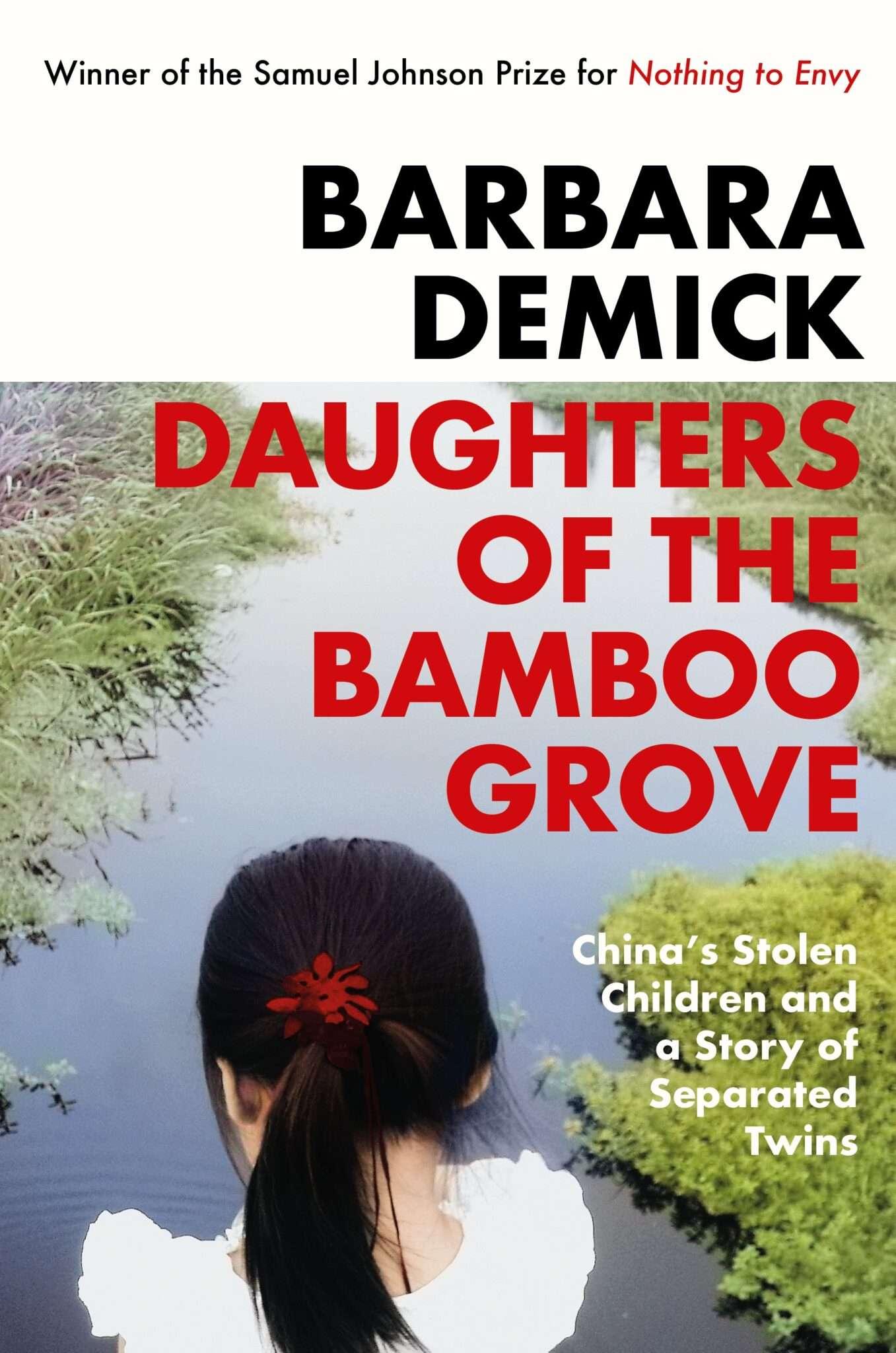


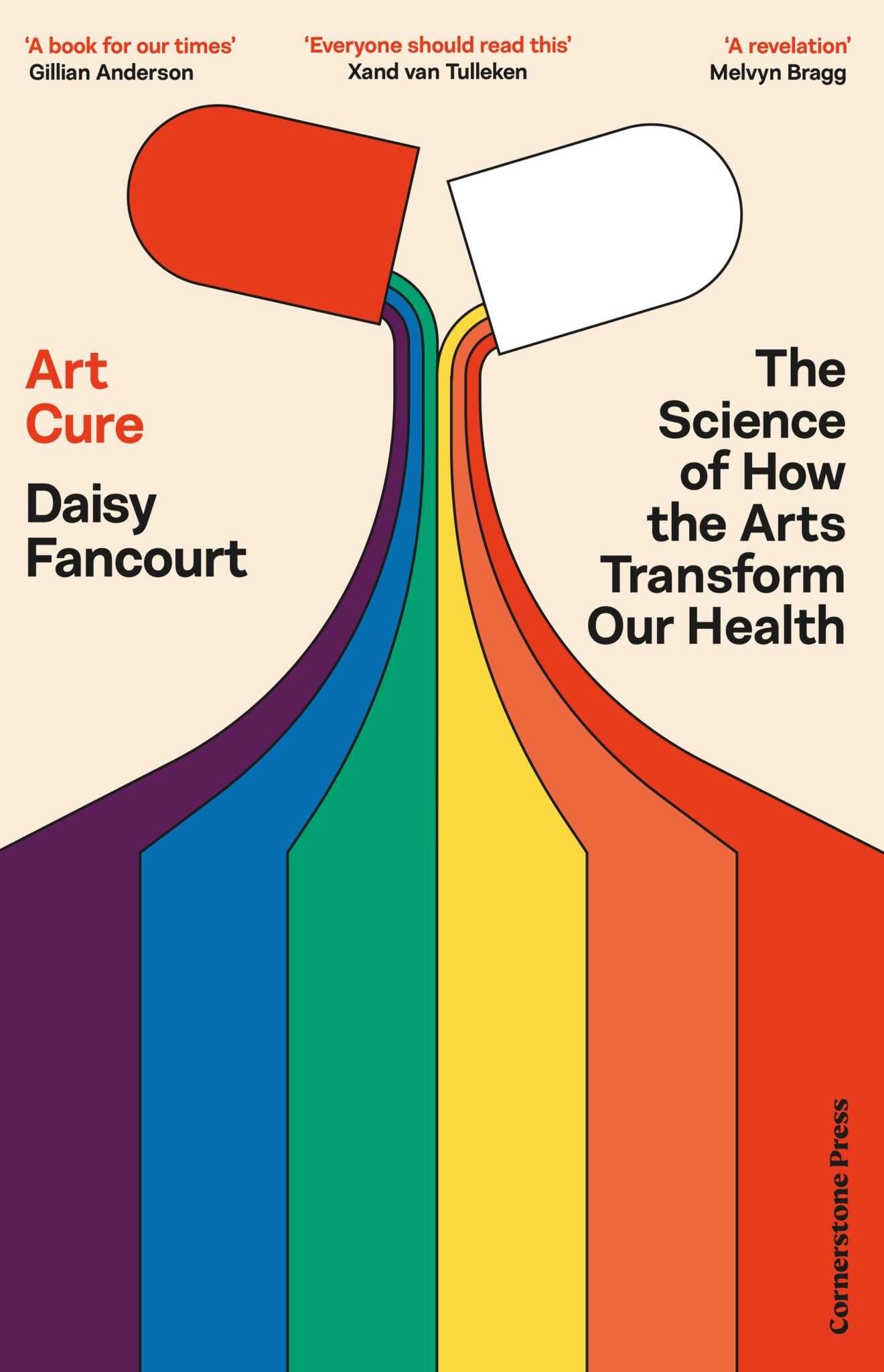
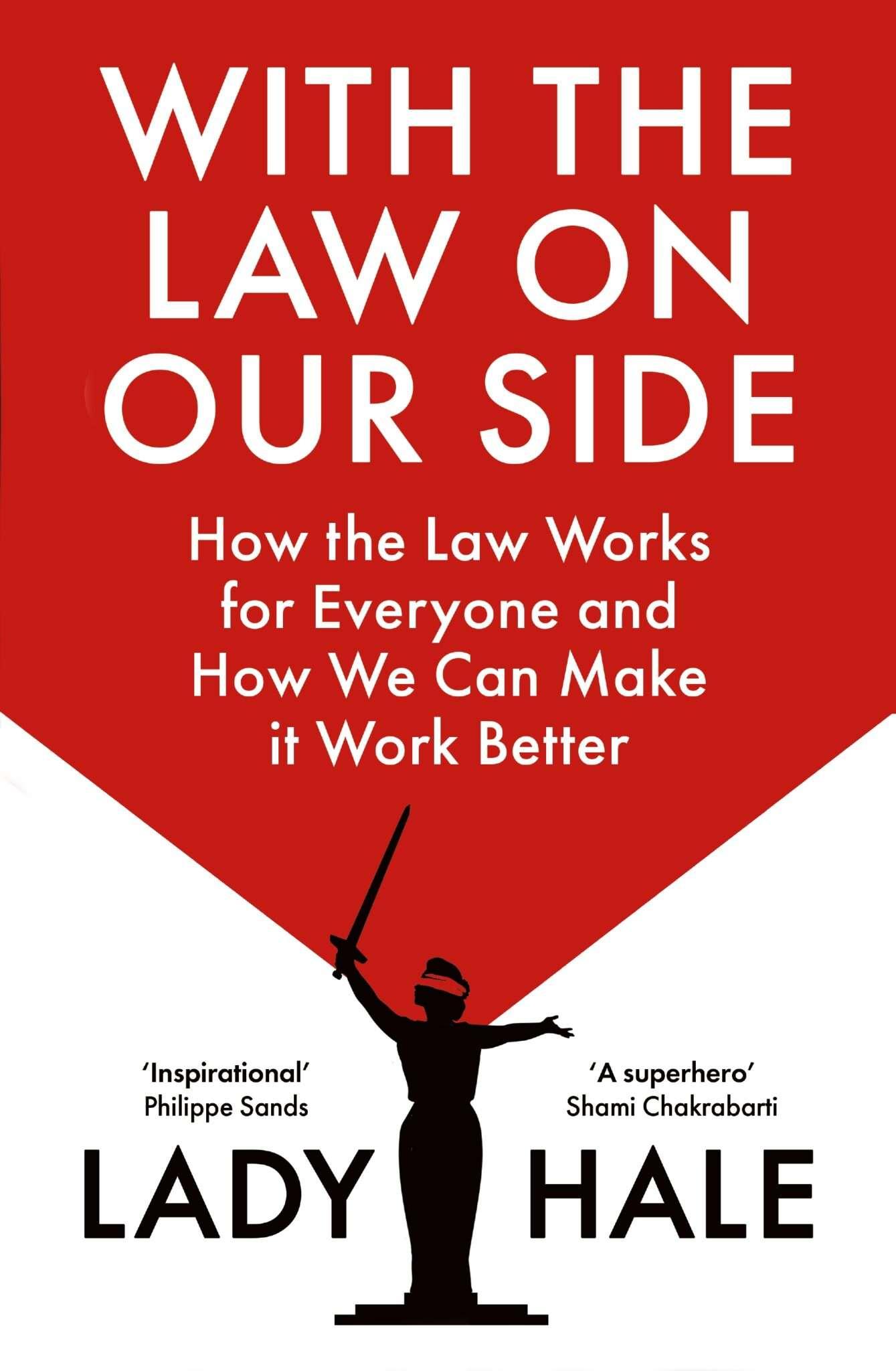
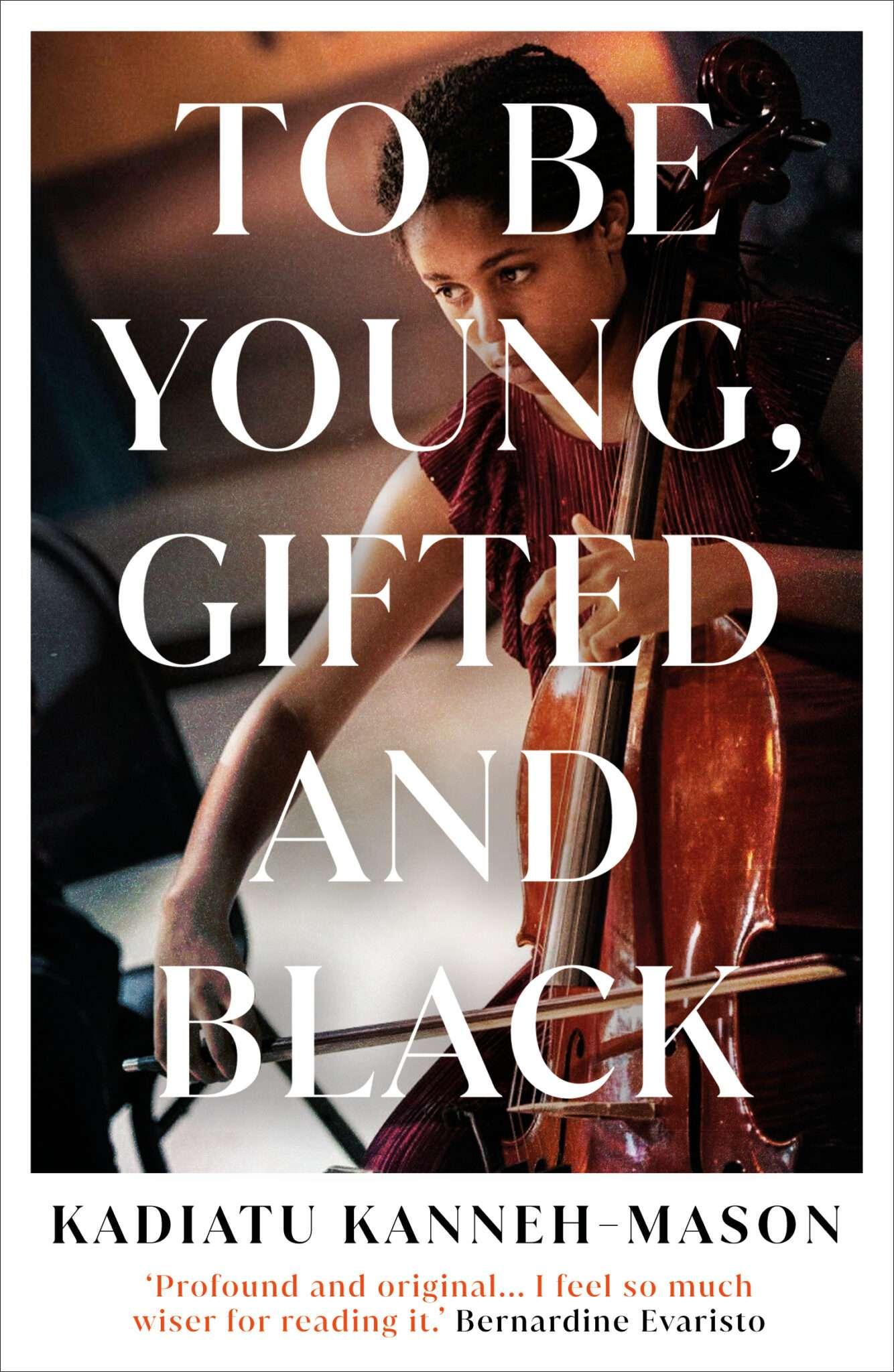
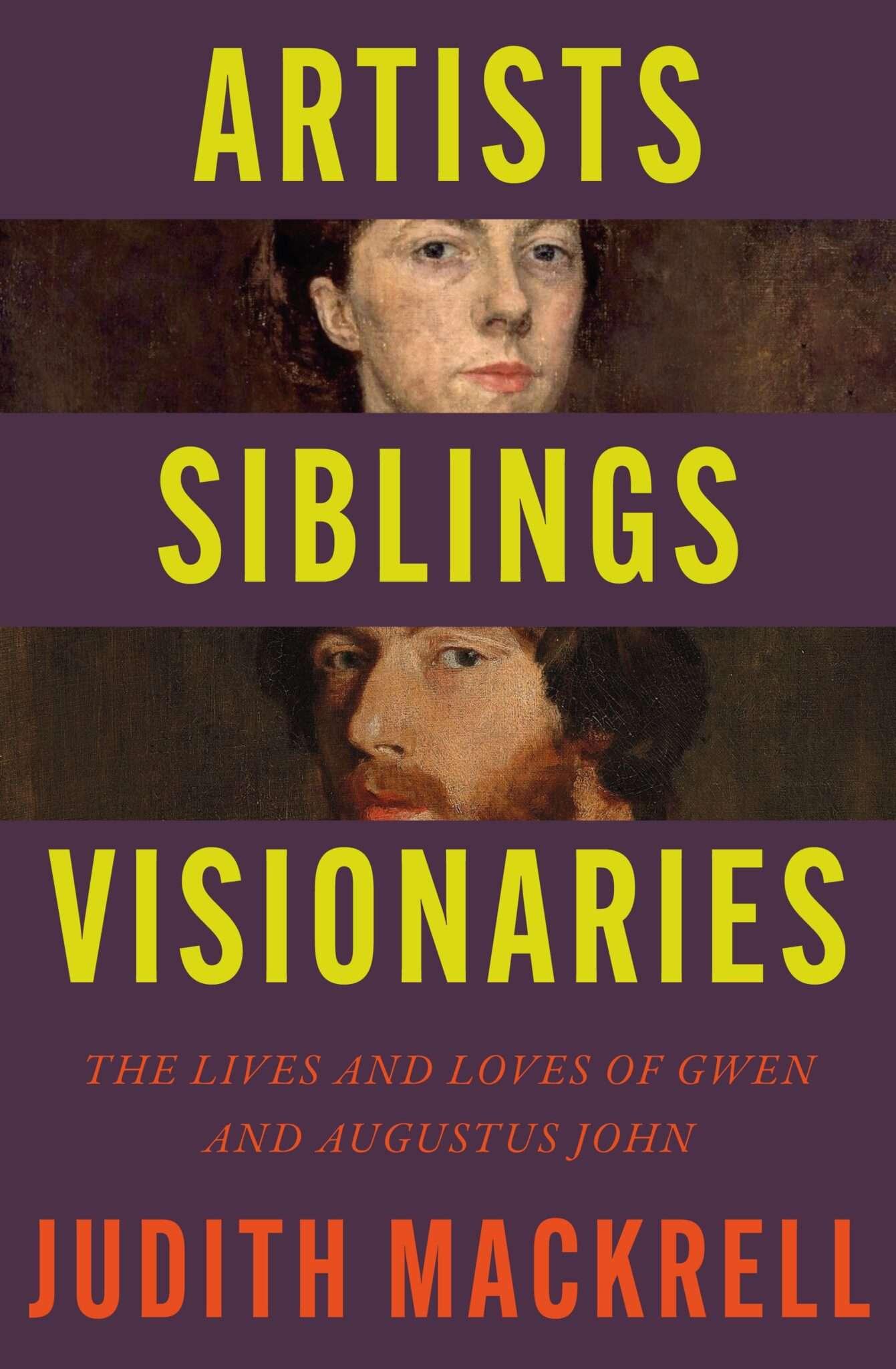
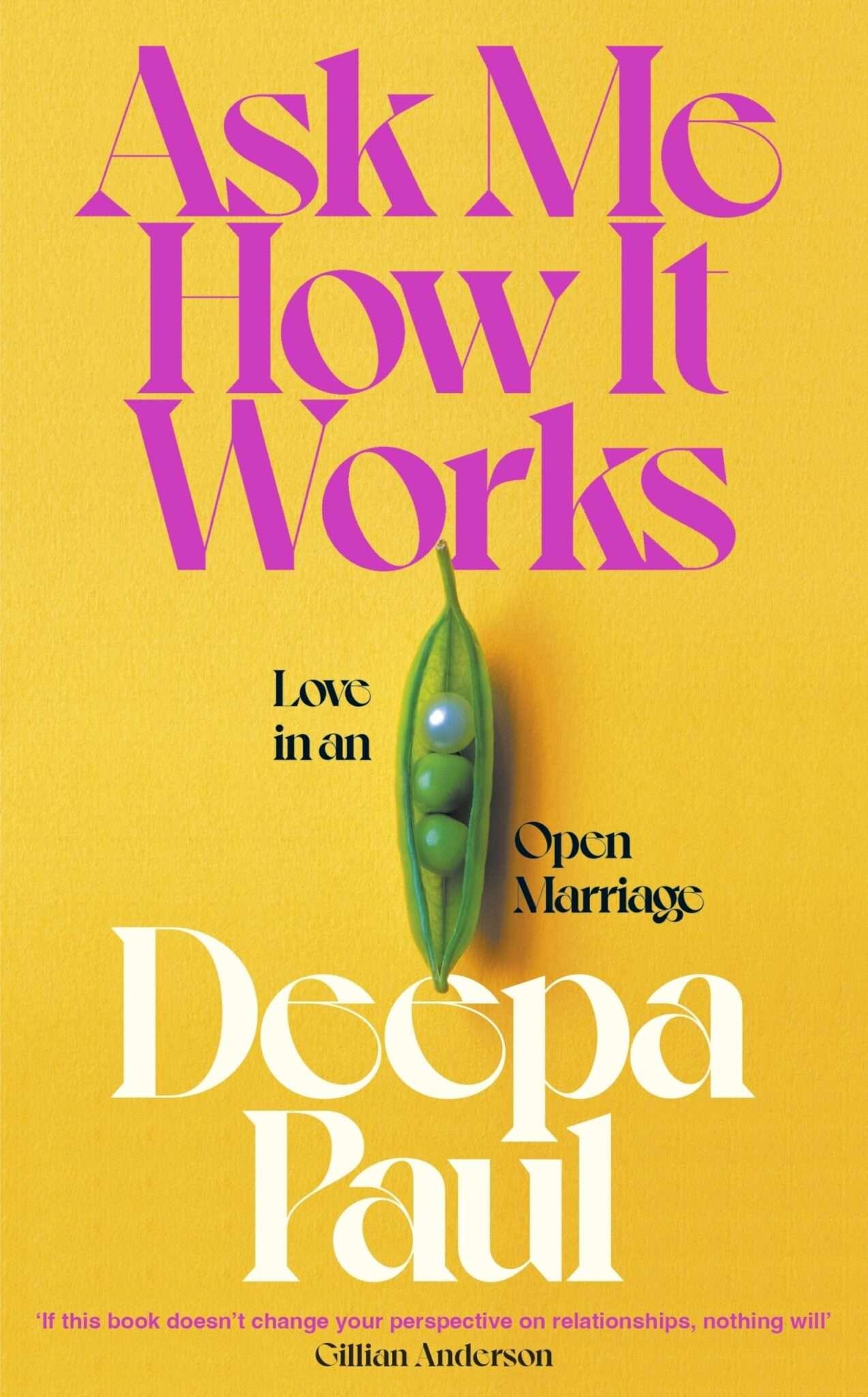

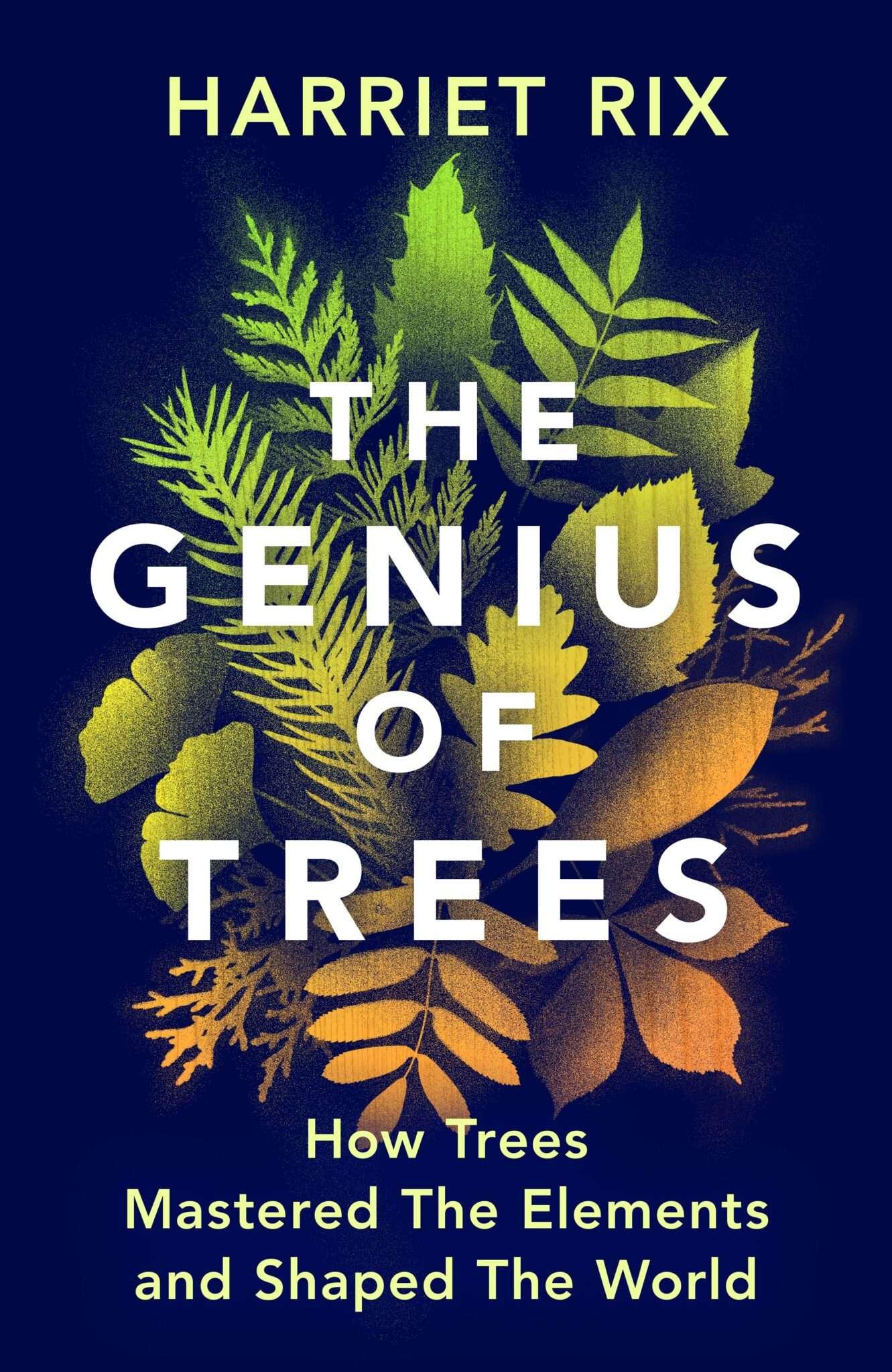
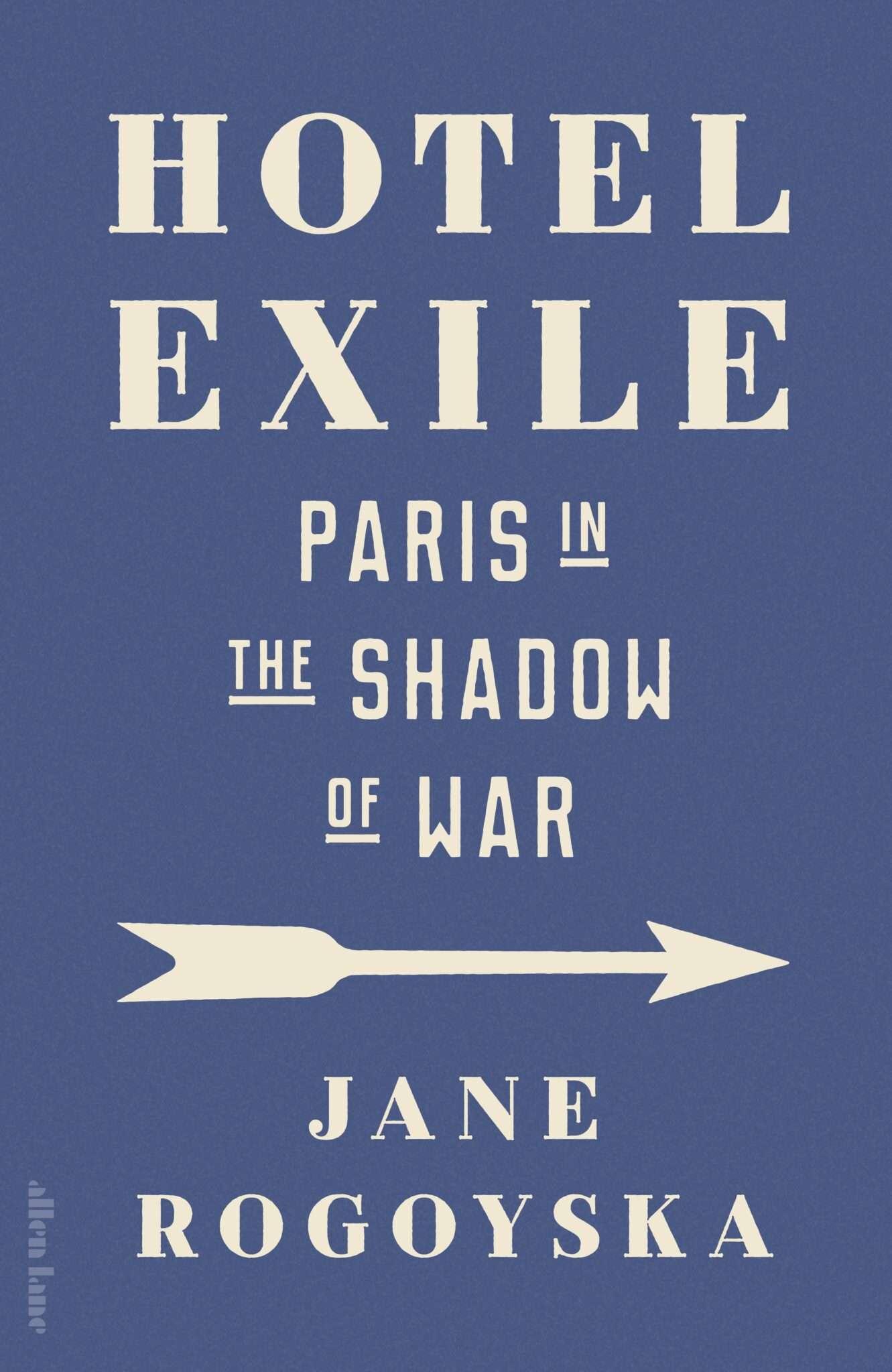
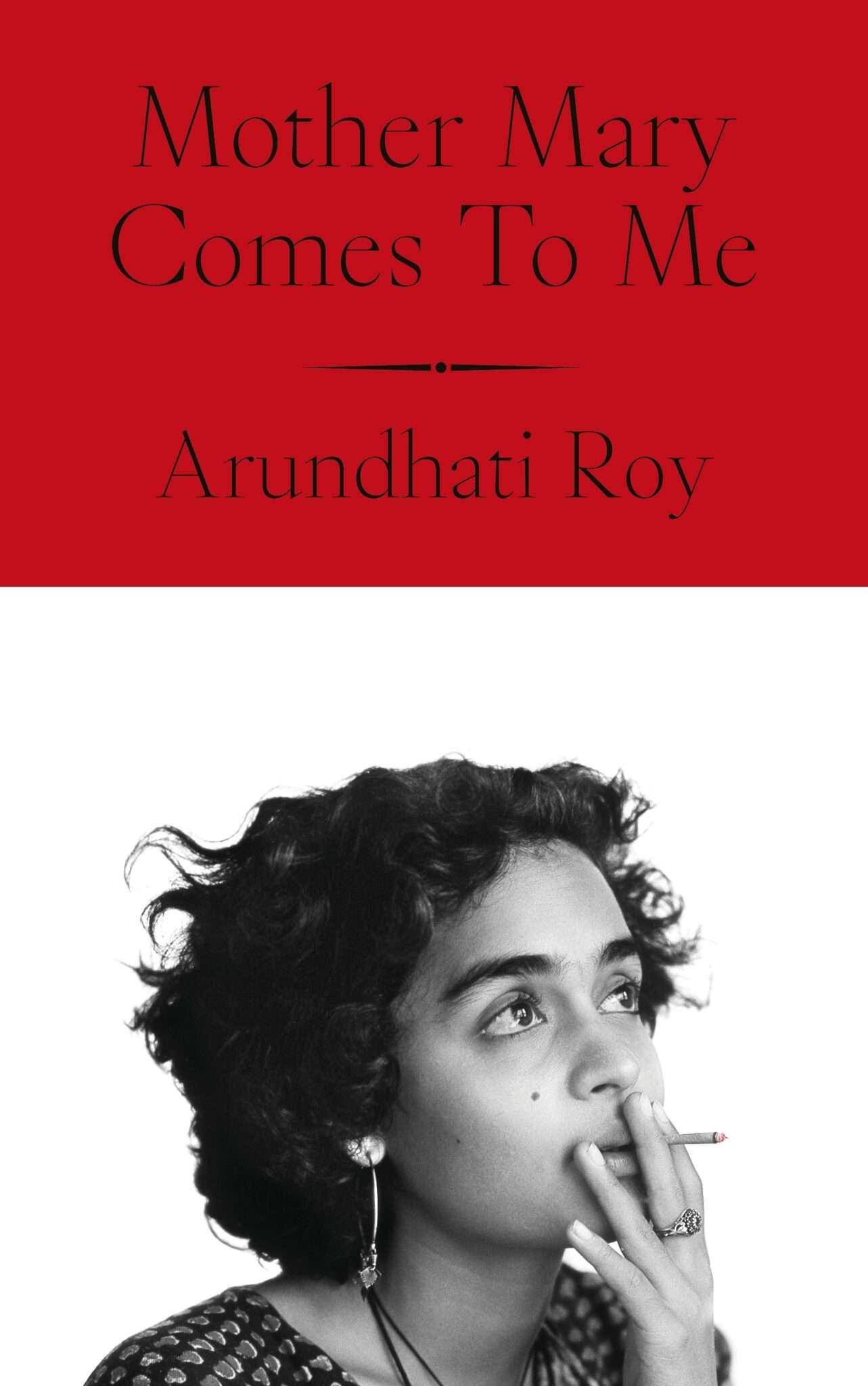
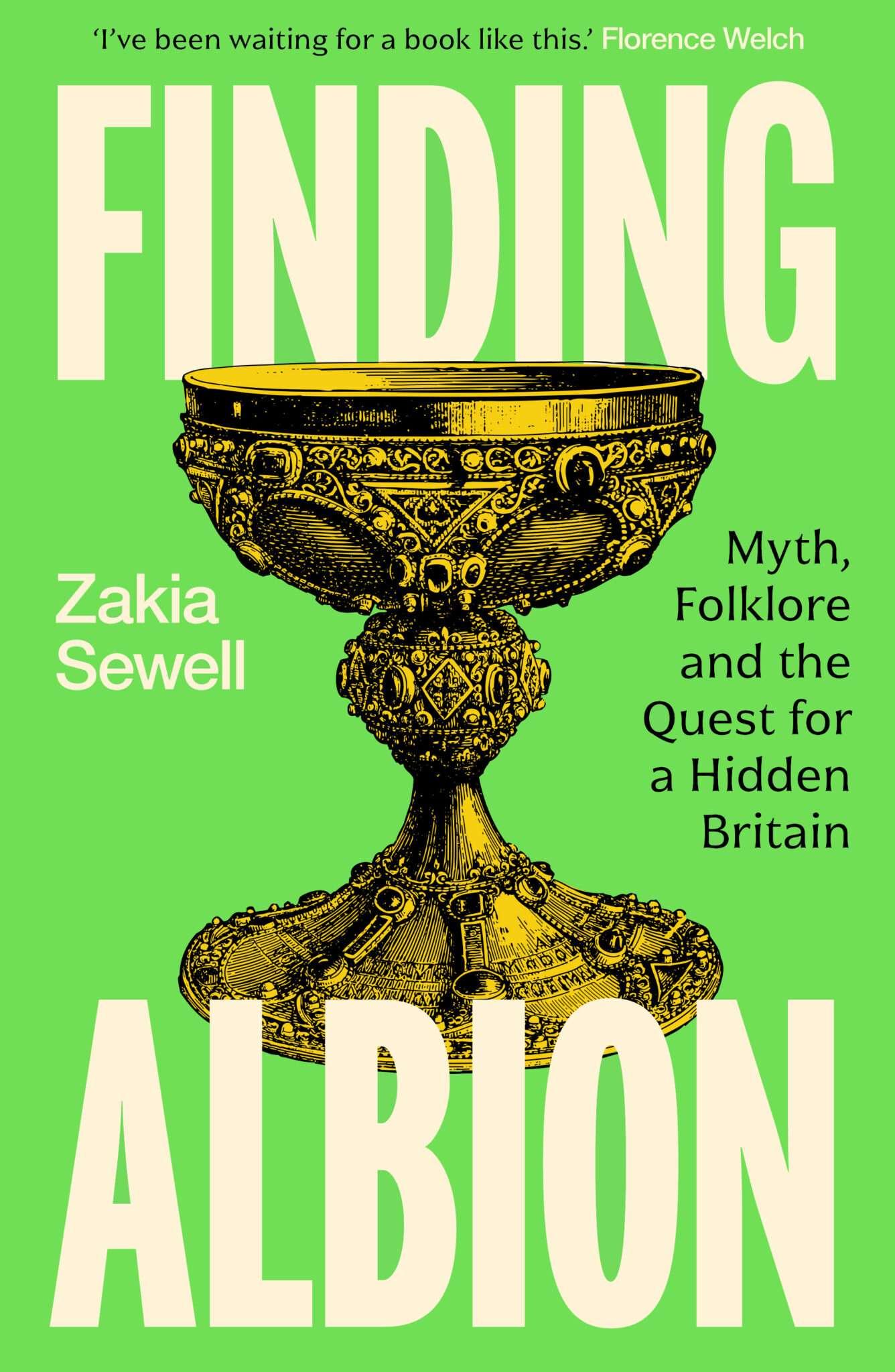


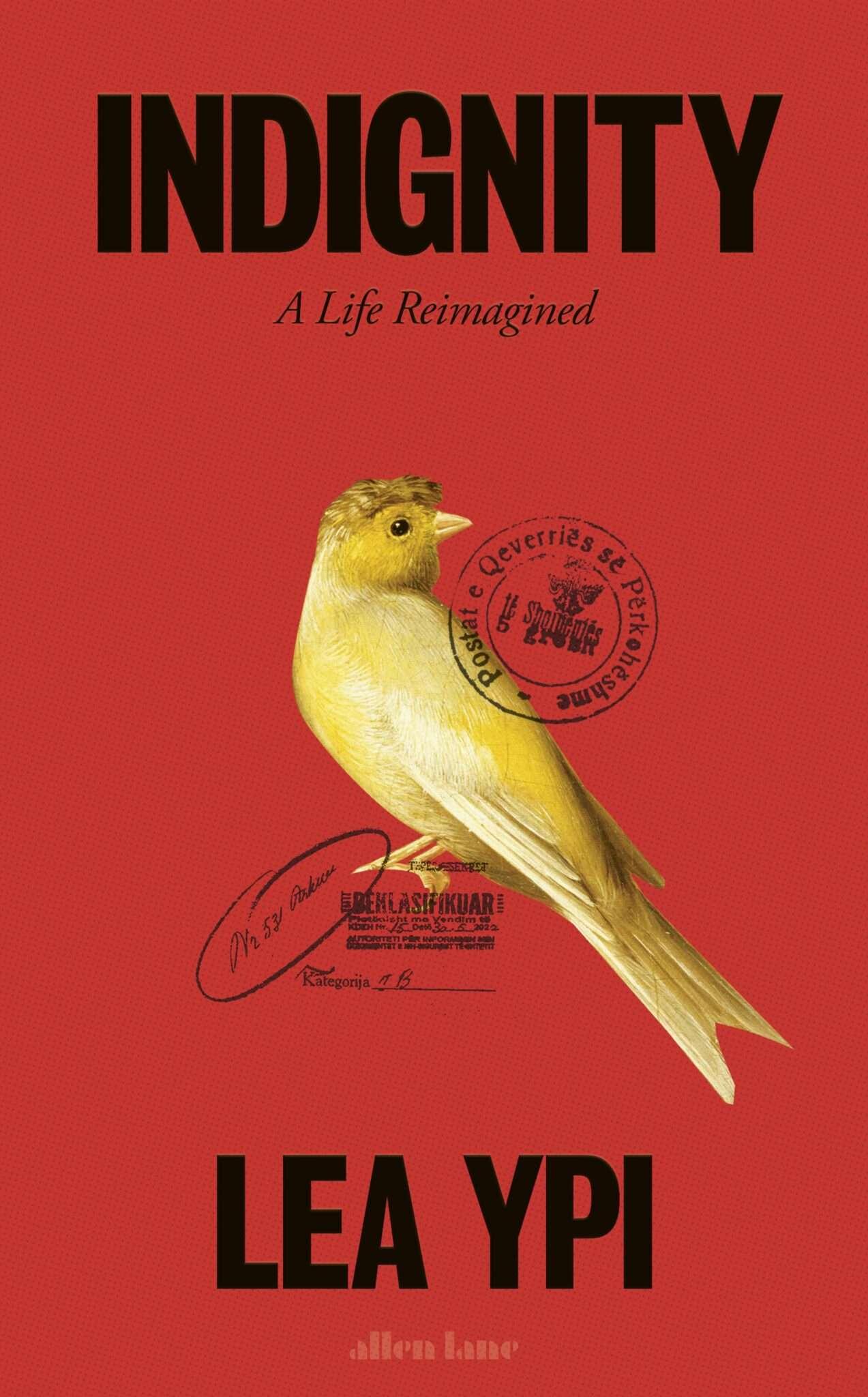
As the longlisted titles begin to spark conversation among readers and critics alike, the 2026 Women’s Prize for Non-Fiction once again underscores the depth, range and authority of women’s writing today. With themes spanning identity, history, justice, science and personal transformation, this year’s selection not only celebrates literary excellence but also reaffirms the prize’s mission to amplify voices shaping contemporary thought. The shortlist announcement will be keenly anticipated, as these powerful works continue to inform, challenge and inspire.